Wheslayne Script: A Fresh Take on Handwritten Typography
Finding a typeface that balances personality with professionalism is a common challenge for creatives. You want something that feels human and approachable, but it also needs to function reliably across different mediums. Wheslayne Script enters this space as a compelling option, offering a fresh handwritten aesthetic that avoids the overly casual or illegible pitfalls of many script fonts. It presents a unique blend of authenticity and polish, making it worth a closer look for your next project.
The Visual Character of Wheslayne Script
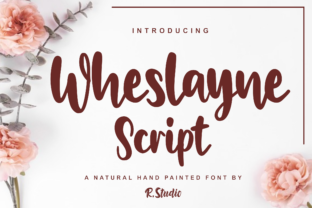
At its core, Wheslayne Script is a modern typography choice defined by its flowing, connected letterforms. The strokes exhibit a natural, calligraphic rhythm with a noticeable yet controlled variation in thickness. This gives it a lively, organic feel without sacrificing clarity. The letter connections are smooth, creating a cohesive word shape that reads well even at smaller sizes. The overall personality is one of authentic charm—it feels genuinely handwritten, not like a digitized autograph. This distinction is crucial; it suggests a human touch behind the brand or message, which can foster a stronger connection with an audience.
The font’s style leans towards contemporary elegance. It doesn’t have the heavy, swash-laden drama of some traditional script fonts. Instead, it opts for cleaner terminals and more restrained flourishes. This makes it incredibly versatile. It can feel romantic and delicate for a wedding invitation, yet clean and confident for a boutique logo. The premium font quality is evident in the attention to detail in each glyph, ensuring a smooth typographic texture when set in paragraphs or headlines.
Practical Applications Across Creative Fields
Understanding where a font excels is as important as its appearance. Wheslayne Script finds its strength in applications where a personal, crafted, or boutique feel is desired. It’s an excellent display font for headlines, logos, and short textual elements that need to capture attention immediately.
- Brand Identity & Logo Design: For businesses in the lifestyle, beauty, artisanal food, or boutique retail spaces, Wheslayne Script can form the core of a brand identity. It works beautifully for a main logotype, especially when paired with a clean sans serif font for body copy. Imagine it on a coffee roaster's packaging or a skincare brand's labels—it instantly communicates care and quality.
- Editorial & Publishing Design: In editorial design, it can bring a personal touch to magazine headers, pull quotes, or chapter titles. For bloggers and content creators, it’s perfect for featured image text or newsletter headers, adding a distinctive flair that standard system fonts lack.
- Packaging & Print Design: This is where the font truly shines. Its handwritten nature is ideal for packaging design, gift tags, greeting cards, and stationery. The legibility at various sizes makes it a practical creative font for product names and short descriptive text on physical items.
- Digital & Social Media: For web design, it can be used sparingly for hero section callouts or button text to draw the eye. On social media graphics, it helps create standout quotes, sale announcements, or story highlights that feel personal and engaging, cutting through the noise of generic templates.
It’s less suited for long-form body text, where a serif font or sans serif font designed for readability would be more appropriate. Its role is to complement and accent, not to carry the entire textual load.
Making Informed Design Choices with a Script Typeface
Choosing any script font requires careful consideration. A beautiful typeface can undermine a project if used incorrectly. Here’s a practical framework for evaluating and implementing Wheslayne Script.
Evaluating Project Fit: First, consider your project's tone. Wheslayne Script conveys warmth, creativity, and approachability. It’s perfect for a wedding photographer’s portfolio, a handmade jewelry store, or a wellness blog. It would feel out of place, however, for a corporate law firm or a tech startup’s main interface. The font’s personality must align with the brand’s voice.
Font Pairing and Hierarchy: The key to using a handwritten font effectively is contrast. Pair it with a simple, geometric sans serif font like Montserrat or Lato for body text. This creates a clear visual hierarchy: Wheslayne Script for emotional headlines, the sans serif for clean information delivery. Test the pairing at actual sizes to ensure the script remains legible and doesn’t compete with the supporting typeface.
Readability and Legibility: Always test the font in context. How does it look on a mobile screen? Is the text still readable when printed small on a business card? Check the clarity of potentially tricky letters like ‘e’, ‘a’, and ‘r’ when they connect. A good commercial font like Wheslayne Script will include alternates or stylistic sets to help you fine-tune connections and avoid awkward letter combinations.
Licensing and Usage: If you’re a designer, entrepreneur, or small business owner, ensure you have the correct commercial font license for your intended use. Most premium fonts come with clear licensing for digital ads, print materials, and merchandise. Review the terms to understand if the license covers the scale of your project, such as unlimited app installs or a single desktop installation. This due diligence protects your investment and ensures legal compliance.
Ultimately, Wheslayne Script is more than just a pretty typeface; it’s a strategic design asset. When used thoughtfully, it can elevate a brand’s perception, create emotional resonance, and add a layer of professionalism that feels both unique and trustworthy. It demonstrates that modern typography is about finding the right tool for the specific communication goal, and sometimes, that tool is a beautifully crafted script that feels wonderfully human.