Brigham Script: The Modern Handwritten Font That Elevates Your Design
Every designer knows the feeling. You're staring at a project—a new brand identity, a social media campaign, a wedding invitation—and you need a typeface that does more than just convey words. You need a font with personality, one that feels both personal and polished. This is where Brigham Script enters the conversation. It’s a beautiful and stunning handwritten font with a contemporary feel, designed to bridge the gap between the warmth of a hand-lettered note and the clean sophistication of modern design. Its modern and smart feel will turn any design project into a standout, but its real value lies in its versatility and the specific mood it can set.
The Visual Character: More Than Just Cursive
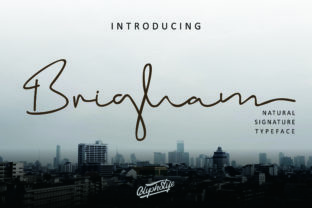
At first glance, Brigham Script is unmistakably a script font. Its flowing letterforms mimic the natural movement of a brush or pen, creating an organic, human touch. However, what sets it apart from many traditional script or cursive fonts is its contemporary construction. The letter connections are fluid but not overly ornate, avoiding the fussy, Victorian-era flourishes that can make older scripts feel dated. The x-height—the height of lowercase letters like 'a' or 'x'—is generous, which significantly improves its legibility at smaller sizes. This thoughtful design choice means it reads well not just in headlines but also in shorter blocks of body text where a handwritten feel is desired.
The strokes of Brigham Script have a pleasing variation, thickening and thinning in a way that suggests a real writing instrument. This creates a dynamic rhythm on the page or screen. The overall personality is one of approachable elegance. It’s friendly and inviting, yet it carries an inherent professionalism. It doesn’t scream for attention; instead, it confidently draws the eye with its balanced and refined aesthetic. This makes it a fantastic premium font for projects that need to feel both personal and credible.
Where Brigham Script Truly Shines: Real-World Applications
Understanding a font's visual style is one thing; knowing where to deploy it is where strategy comes in. Brigham Script’s strength is its adaptability across a wide spectrum of creative and commercial projects.
Branding & Logo Design: For entrepreneurs and small business owners, a logo is the cornerstone of brand identity. Brigham Script can be an excellent choice for brands in the lifestyle, wellness, boutique retail, artisanal food, or creative services sectors. Imagine it used for a yoga studio’s logo, a baker’s packaging, or a florist’s brand mark. It immediately communicates craft, care, and a personal touch. Paired with a clean sans serif font for body text, it creates a balanced and memorable brand identity system that feels both warm and professional.
Marketing & Social Media: In the crowded digital landscape, grabbing attention is paramount. Brigham Script works wonderfully as a display font for social media graphics, email headers, and website hero sections. Its handwritten nature breaks through the visual noise of standard system fonts, adding a layer of authenticity that audiences respond to. Use it for quotes, call-to-action phrases, or promotional banners to inject personality into your marketing materials. It’s a creative font that can increase engagement by making your content feel more human and less corporate.
Publishing & Editorial Design: For bloggers, publishers, and content creators, typography sets the tone. Brigham Script can be used effectively for article titles, pull quotes, chapter headings in a book, or the masthead of a digital magazine. In editorial design, it serves as a powerful accent, guiding the reader’s eye and adding visual interest. However, a key consideration here is readability. While excellent for headlines, using it for lengthy paragraphs would be impractical. The goal is to use it strategically to enhance hierarchy and style without compromising the reader’s comfort.
Packaging & Print Design: The tactile world of print is where handwritten fonts often feel most at home. Brigham Script is ideal for packaging design, especially for products that emphasize handmade quality, organic ingredients, or boutique craftsmanship. Think labels for candles, skincare, gourmet foods, or artisanal drinks. It can also elevate stationery, wedding invitations, greeting cards, and event programs, giving them a bespoke, high-quality feel that standard fonts can’t match.
Making It Work: Practical Guidance for Designers and Creators
Choosing the right font is only half the battle; implementing it effectively is what makes a design successful. Here’s how to work with Brigham Script in a practical sense.
Evaluating Project Fit: Before you even download, ask: Does my project’s personality align with Brigham Script’s? It’s perfect for projects aiming for elegance, warmth, and modernity. It might be less suitable for ultra-corporate, technical, or highly minimalist projects where a stark serif font or geometric sans serif would be more appropriate. The context of your audience matters immensely.
Mastering Font Pairing: This is critical. A script font rarely works well in isolation. The most effective and professional approach is to pair Brigham Script with a more neutral, readable typeface. A classic combination is a script font with a sans serif font. For example, use Brigham Script for your main headline, then pair it with a font like Lato, Open Sans, or Montserrat for subheadings and body copy. This creates a clear visual hierarchy—the script provides flair and draws attention, while the sans serif ensures readability for longer text. For a different mood, you could pair it with a humanist serif font for a more literary, editorial feel.
Leveraging Included Styles: Many premium fonts like Brigham Script come with additional styles or glyphs (alternate characters). Check for features like stylistic alternates, swashes, or ligatures. These can be accessed through advanced typography panels in design software like Adobe Illustrator, InDesign, or even Canva Pro. Using a swash on a capital letter at the beginning of a title or an alternate ‘e’ can add a unique, custom touch that makes your design truly one-of-a-kind.
Readability and Hierarchy: Always test your chosen font at the actual size and in the medium it will be viewed. What looks stunning on a 27-inch monitor might be illegible on a mobile phone. Use Brigham Script at larger sizes for headlines where its details can be appreciated. For smaller text, stick to your paired workhorse font. Establishing a strong hierarchy ensures your message is communicated effectively, with the creative font guiding the eye to the most important information first.
Commercial Licensing: This is a non-negotiable step for any professional use. Ensure you are using a legitimately licensed version of Brigham Script for your project. Whether you’re creating a logo for a client, designing products for sale, or producing marketing materials for your business, you need to adhere to the font’s license agreement. This protects you legally and supports the type designers who create these valuable design assets. Always purchase from reputable foundries or marketplaces to guarantee you have the correct license for commercial use.
In the end, Brigham Script is more than just a collection of glyphs; it’s a tool for storytelling. Its blend of organic warmth and modern clarity makes it a valuable addition to any designer’s or creator’s toolkit. By understanding its character, applying it thoughtfully to the right projects, and pairing it strategically, you can leverage this typeface to create designs that are not only beautiful but also effective, memorable, and authentically connected to your audience.