Amora Script: A Font with Heart and Flow
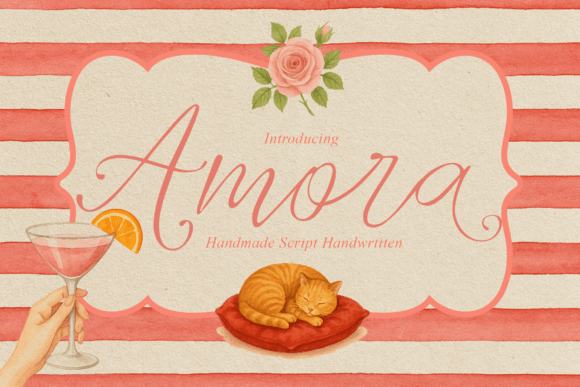
There are typefaces that simply hold letters, and then there are typefaces that tell a story. Amora Script belongs to the latter. It’s a handwritten script font that doesn't just mimic the act of writing; it captures the feeling. The moment you start typing, you notice its soft, flowing letterforms. The strokes feel natural, with a gentle pressure that mimics a real pen on paper. There’s a warmth here, a subtle romance that isn't overly ornate or frilly. It’s the kind of font that feels personal, as if someone carefully penned a note just for you. This isn't a cold, geometric display font. It's a creative font with personality, designed to add a human touch to digital and print spaces that often feel sterile.
Where Amora Truly Shines
The real test of any premium font isn't how it looks in a specimen sheet, but how it performs in the wild. Amora Script’s versatility is its greatest strength. It’s not a one-trick pony reserved for wedding invitations, though it excels there. Its balanced letterforms and graceful curves make it a powerhouse for a wide range of applications.
Think about brand identity. For a boutique bakery, a handmade soap company, or a personal coach, the logo sets the tone. Using Amora Script as the primary logotype or a supporting wordmark instantly communicates approachability, care, and a personal touch. It tells your audience, "There are real people here, and we care about quality." This kind of immediate brand perception is invaluable. The same principle applies to packaging design. A label for artisanal jam or a tag for a knitted scarf feels more authentic and premium with a handwritten font that reflects the product's handmade nature.
In the digital realm, social media graphics are all about stopping the scroll. A quote post, a sale announcement, or a blog post title set in Amora Script stands out from the sea of clean, geometric sans serif fonts. It adds a layer of visual interest and emotion. For blog graphics and headers, it can set a welcoming, conversational tone before the reader even engages with the first paragraph. In editorial design, it works beautifully for pull quotes, chapter headings in a book, or magazine callouts, adding a moment of visual respite and elegance.
Pairing and Practicality
Using a script font effectively is about balance. You rarely want an entire paragraph set in a flowing script; it compromises readability and can overwhelm the viewer. The key is to use Amora Script as a focal point, paired with a strong, stable counterpart. This is where understanding font pairing becomes a practical skill.
A classic and reliable approach is to pair Amora with a clean sans serif font. The simplicity of a typeface like Lato, Open Sans, or Montserrat provides a perfect neutral canvas. Amora handles the headlines, logos, or accent text, while the sans serif delivers your body copy with clarity. This contrast creates a clear visual hierarchy, guiding the reader's eye naturally from the expressive headline to the informative text.
For a different feel, try pairing it with a traditional serif font. Something like Garamond, Playfair Display, or even a simple serif like Georgia can create a look that’s both timeless and sophisticated. The serif adds a touch of classic structure, while Amora injects warmth and personality. This combination works exceptionally well for publishing, wedding stationery, or any project aiming for a elegant, literary feel.
A Designer's Checklist for Using Amora
Before you dive in, here are a few practical considerations to ensure you get the most out of this typeface:
- Evaluate the Project Fit: Is your project's core message about warmth, authenticity, romance, or handcraft? If so, Amora is a strong candidate. For a corporate financial report or a technical manual, it’s likely not the right choice. Context is everything.
- Test, Test, Test: Always set your actual project text in the font. Type out your business name, a key headline, and a sentence from your body copy. Look at it at different sizes. Does it remain legible? Does it capture the intended mood?
- Explore the Font Files: A quality script font often includes more than just the basic alphabet. Check for alternate characters, ligatures (special letter pairs like "th" or "ll"), and swashes. These extras can help you customize the look, avoid repetitive letters, and create a more authentic, hand-lettered feel in your logo design or special typographic compositions.
- Readability is Key: Use Amora for display purposes—headlines, logos, short quotes. For any text that needs to be read quickly and easily, especially in longer blocks or at smaller sizes, switch to your paired sans serif or serif. Never sacrifice readability for style.
- Understand the License: If you're using Amora for a client project, a product for sale, or commercial social media graphics, ensure you have the correct commercial font license. This protects you and your client legally. Most premium fonts have clear licensing terms for different uses.
Ultimately, a great typeface is a tool. Amora Script is a versatile and expressive tool that can help you build a more engaging brand identity, create more compelling web design elements, and produce more heartfelt print materials. It’s about adding a layer of human connection to your work. When a design needs to feel less like it came from a machine and more like it came from a person with care and intention, that’s when you reach for a font like Amora. It’s not just about looking good; it’s about feeling right.